
The meaning of the Spiral Pattern (and why we walk it)
"In the first Winter Candle shines
The crystals and the jewels of the mine.
Now the stones are on the earth,
Waiting for the light's new birth"
WINTER LIGHT: A SYMBOLIC TIME OF THE YEAR
We celebrate the turning point in the year when the days become their shortest and the nights their longest and we look for the light which comes from within.
There are many festivals at this time of year: Advent, Hanukkah, Kwanzaa, Yalda, Christmas. At Waldorf Academy we refer to this time as the Winter Light Festivals.
The Children will walk through a labyrinth we create in the shape of a spiral. In the center of the spiral, a single candle is lit. Each child walks the spiral alone to the center of the spiral, where they light their own candle to place along the spiral. When all the children have walked the path, the whole spiral is aglow with lights.
It symbolizes finding light in the darkness and is a time of quiet preparation as we go into the darkest days of the year. The shortest day (in the northern hemisphere) is close to the end of December, so by the time we celebrate our holiday traditions, we have reached a turning point and the days begin to lengthen again, the daylight increasing. Nature will begin very slowly to reawaken.
The spiral image can be found in all cultures. The spiral is often associated with the cycle of rebirth, time and seasons and sometimes a spiritual journey.
The Spiral Walk History:
The spiral walk is a festival that is practiced in most Waldorf schools on or near the winter solstice and has been traditionally a part of the advent celebrations. The tradition honors the seasonal cycle of light and darkness by arranging a simple spiral labyrinth walk. Everything about the spiral walk is rooted in symbolic meaning: from the form of the spiral to the red apples, evergreen boughs, beeswax candles and the objects placed in the spiral.
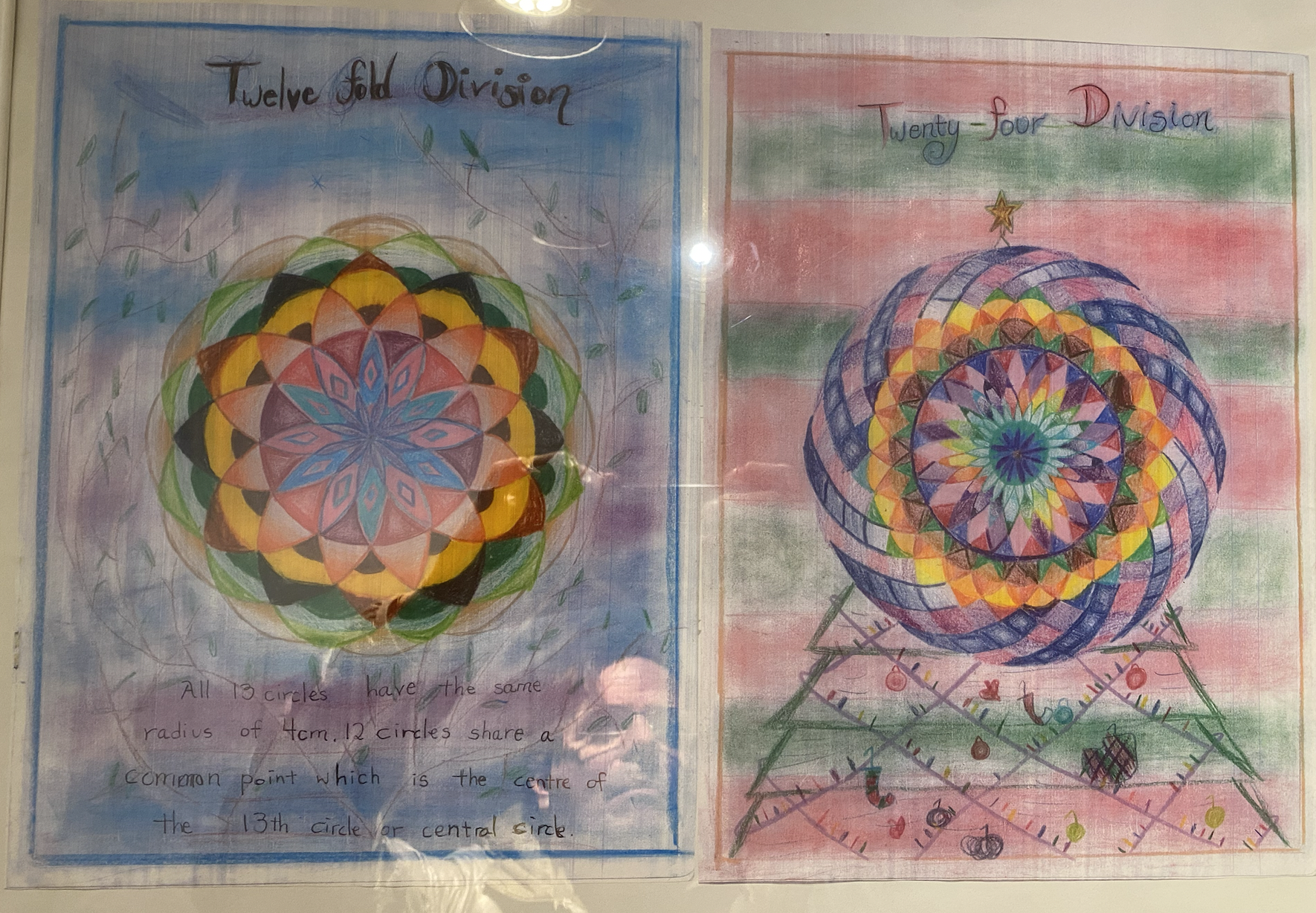
The spiral to see math connections
Symbolism
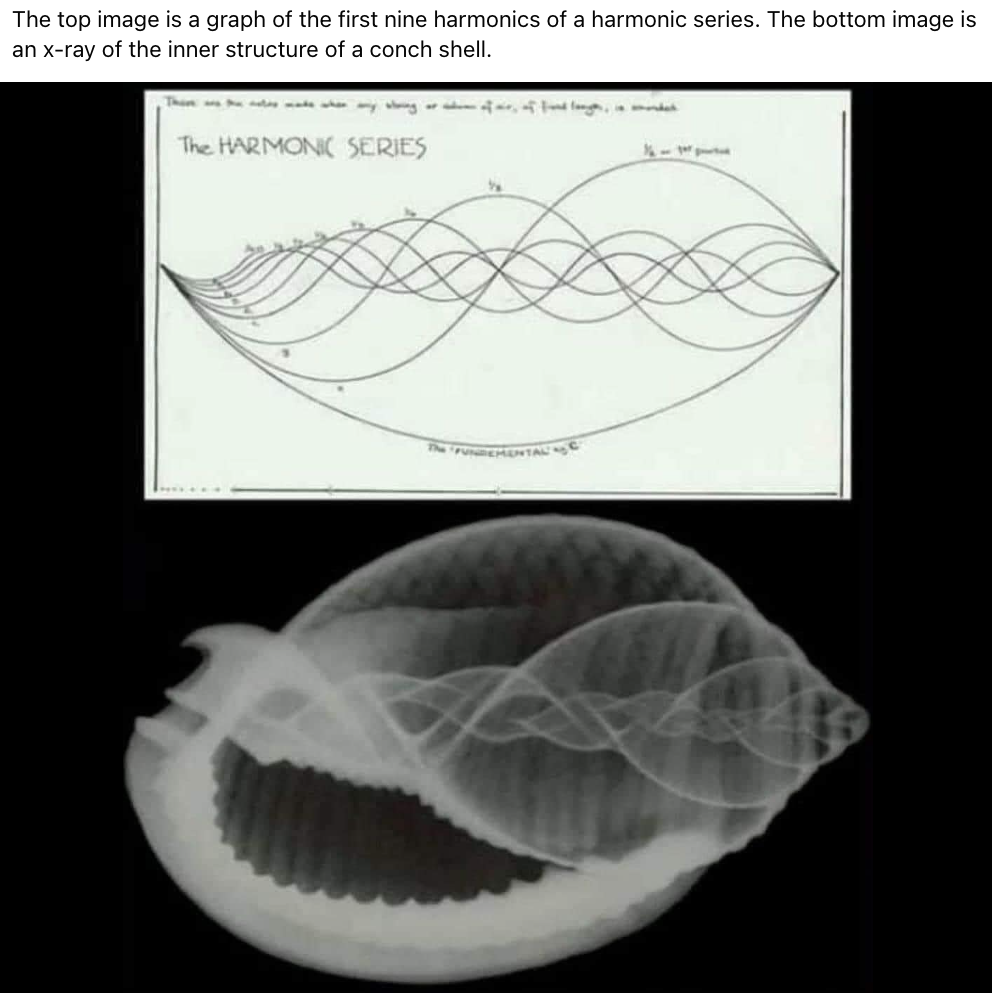
THE SPIRAL is one of nature’s many patterns and can be found in shells, flowers, pinecones, fingertips, and galaxies. In this festival honoring the return of light into the world, we use the spiral to represent the seasonal rhythms as well as representing the contemplative journey we take to find our own inner “light.”
The physical form of the spiral represents the celestial marking of the seasons. The beginning of the path marks the summer solstice. As we spiral inward through the labyrinth, it represents moving towards and through autumn, where the days grow shorter. The very center of the spiral symbolizes winter solstice: the darkest time of the year. Here we pause at the center before we spiral back outward through spring toward the summer solstice.
The journey each child takes through the spiral also represents an inner journey to find their own “light” within. In the very center of ourselves, we discover our own beauty, strength, insight, and gifts that we offer the world. We then turn from this discovery within and carry our gifts of radiance back out into the world.
RED APPLES are often used as candle holders during spiral walks and celebrations. Inside the fruit lies the seed, waiting patiently in darkness until the time comes to sprout. The apples represent the seeds of our inherent strengths, resources and hidden potential. We don’t yet see the fruit of our labours with the students… but within each is the seed of the adults they will become.
EVERGREEN TREES are found in many myths, often representing the tree of life. These are the trees that weather the winter without going dormant. They represent the regenerative power of life, nature and the seasons. We use evergreen boughs to represent the sustaining abundance of life on our planet.
BEESWAX CANDLES in Chinese culture are considered a symbol of eternal love and warmth. We use them as our light source in the darkness to symbolize that love is eternally present.
KINGDOMS OF NATURE. We celebrate the diversity of life on our planet by placing among the evergreen boughs objects that represent the kingdoms of nature: mineral , plant and animal . Crystals, seashells , feathers, pinecones , oranges, and apples.
Connecting to the cycles of the year with festivals and/ rites of passage is a very important aspect of the Waldorf methodology. It can give the child a sense of belonging to something much bigger than ourselves and being a part of something bigger is an important step in building resilience, emotional intelligence, a deep love for the world and interest in one another.
Read on to learn more about our Advent Spiral
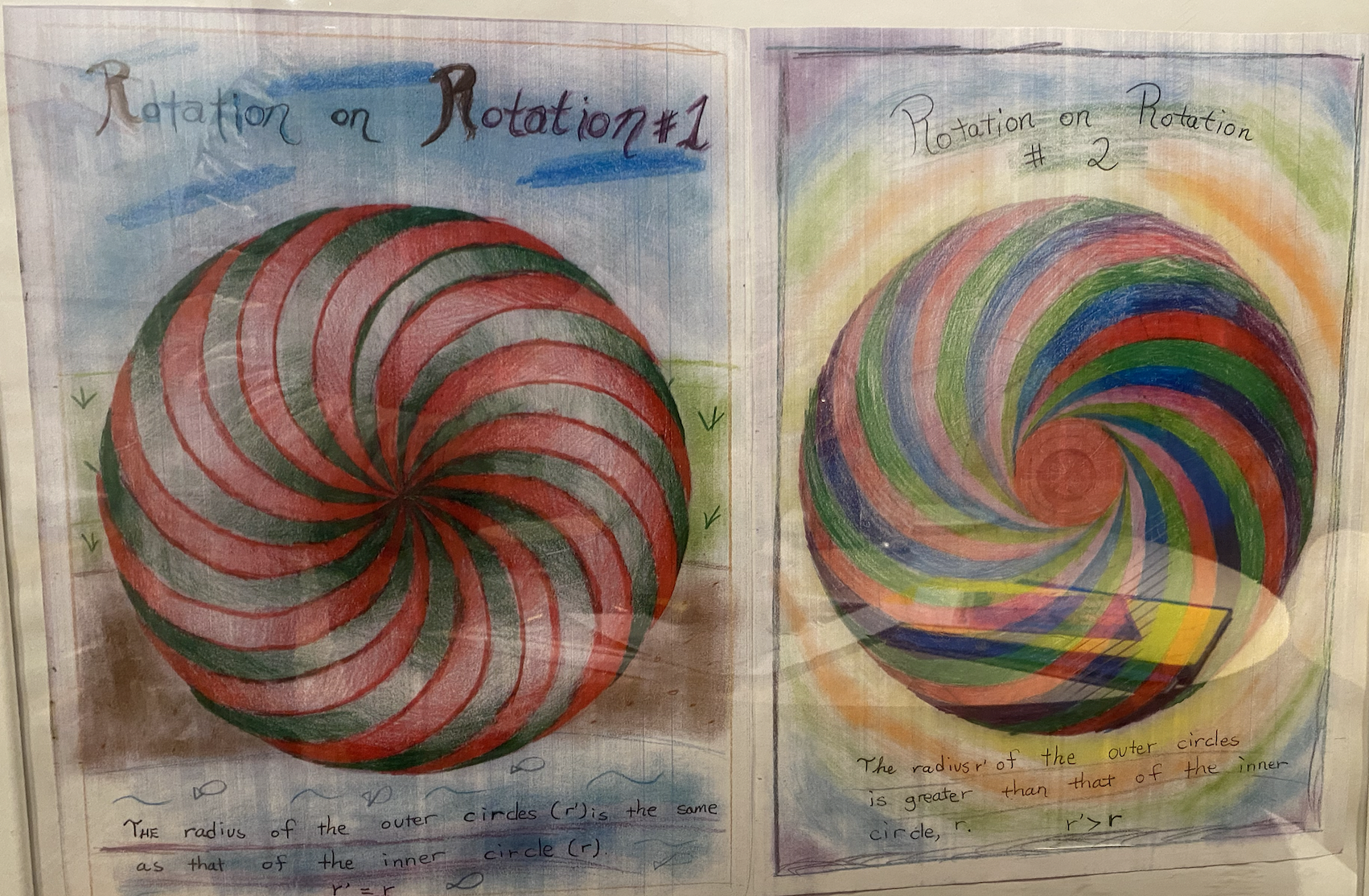
The spiral to understand the radius
